
Introduction

Many homeowners delay pest control until infestations become visible and disruptive. Unfortunately, by that point, pests are often well-established. Professional pest control is not just a reaction—it’s a preventative investment that protects health, property, and long-term costs.
This article explains why hiring a professional pest control service in Ontario is often more effective than relying on DIY methods.
The Limits of DIY Pest Control
Store-bought sprays and traps may kill individual pests, but they rarely solve the root problem.
Common issues with DIY approaches:
- Incomplete treatment of nests
- Improper chemical use
- Pests adapting or returning
- Increased spread (especially with bed bugs and cockroaches)
In many cases, improper DIY attempts make infestations harder to eliminate later.
Professional Pest Control: What’s Different?
Professional services follow a structured process:
- Inspection – Identifying pest type, nesting areas, and entry points
- Targeted Treatment – Using appropriate, regulated methods
- Monitoring & Prevention – Reducing chances of recurrence
Licensed pest control providers operate under provincial safety and environmental guidelines.
Health & Safety Considerations
Pests are linked to:
- Allergies and asthma triggers
- Bacteria and contamination
- Stress and sleep disruption
Professionals use treatments designed to be applied safely in residential environments, minimizing risk to occupants when used correctly.
Long-Term Cost Benefits
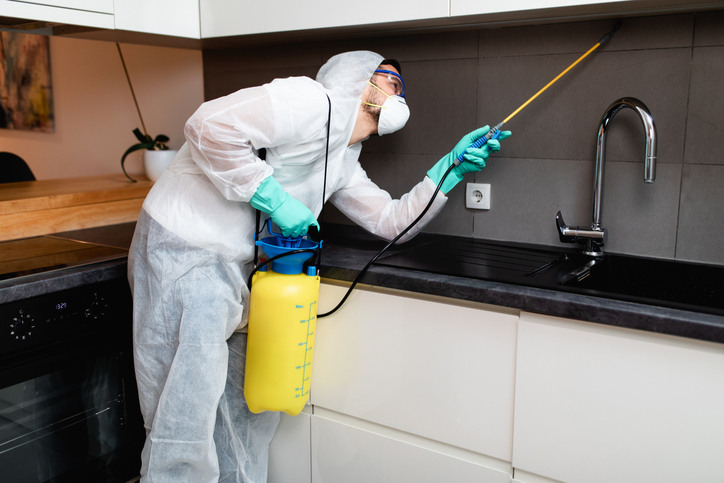
While DIY products may seem cheaper initially, repeated purchases add up quickly.
Professional pest control helps by:
- Reducing repeat infestations
- Preventing property damage
- Avoiding costly repairs caused by rodents or insects
Early intervention typically costs less than emergency treatment later.
Residential and Commercial Needs
Homes, apartments, offices, and retail spaces all face pest risks. Professional services adapt treatment plans based on:
- Property size
- Type of infestation
- Occupancy and usage
Telos Pest Control offers pest control solutions for both residential and commercial properties across Ontario.
Discretion and Professionalism
A key concern for many homeowners and businesses is privacy. Professional pest control companies often operate:
- Unmarked vehicles
- Scheduled appointments
- Discreet service protocols
This is especially important for rental properties and commercial locations.
When Should You Call a Professional?
You should consider professional help if:
- Pests reappear after DIY treatment
- You see droppings, nests, or bite marks
- Infestations spread to multiple rooms
- Health concerns arise
Delaying action typically increases complexity and cost.
Conclusion
Professional pest control is not an unnecessary expense—it’s a practical solution for long-term safety and prevention. By addressing the root cause of infestations, trained professionals help protect homes, families, and businesses across Ontario.
If pest activity is suspected, scheduling a professional inspection is a responsible and effective next step.